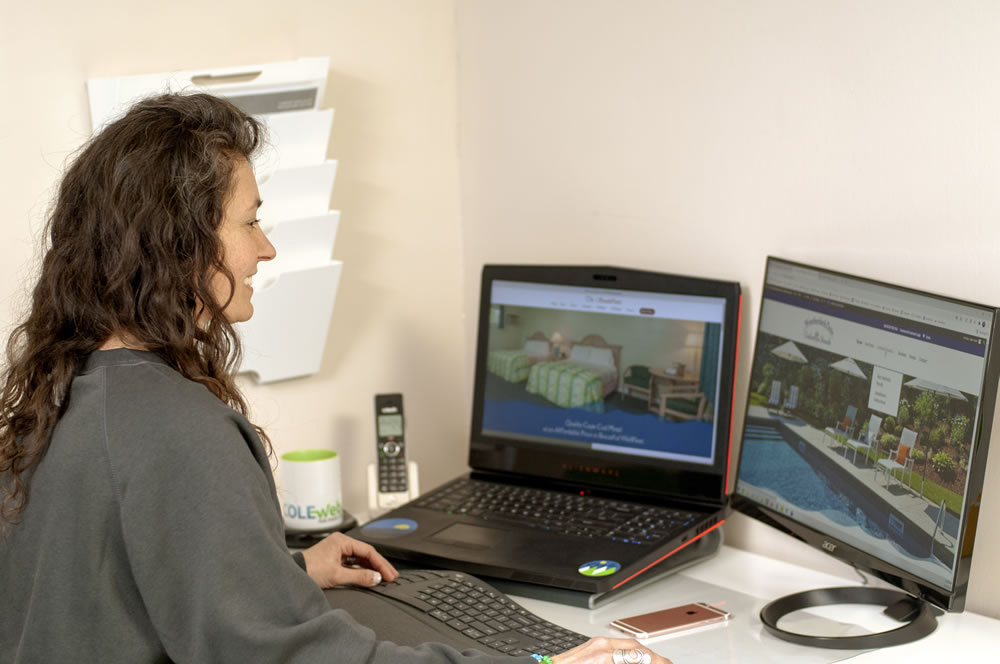
Finding the right person to build your digital storefront can feel overwhelming. You need someone who understands your business goals, your market, and the technical side of development. While remote work allows you to hire globally, partnering with a local professional offers distinct advantages, like face-to-face strategy sessions and a deep understanding of your local customer base.
Here is a step-by-step roadmap to finding the perfect local website designer for your project.
1. Start with Local Network Referrals
The most reliable leads come from people who have already been through the process.
- Ask Fellow Business Owners: Reach out to local business owners whose websites you admire. Ask them who built their site, what the communication was like, and if they felt the pricing was fair.
- Join Local Business Groups: Check with your local Chamber of Commerce or local BNI (Business Network International) chapters. These organizations maintain directories of trusted, vetted local service providers.
2. Portfolio Review
Once you have a list of local names, dive into their portfolios. Do not just look at the visuals; look for functionality and diversity.
- Check the Variety: Does every site they design look identical, or do they adapt their style to match each unique brand?
- Test the Live Sites: Visit the actual websites from their portfolio on both your computer and your phone. Ensure the sites load quickly, look modern, and are easy to navigate.
- Look at the Footer: Scroll to the bottom of websites you love in your area. Designers often leave a small credit link like “Website Design by [Agency Name]” in the footer.
3. Know the Difference: Designer vs. Developer
Understanding these two distinct roles will help you hire the right expertise for your specific needs:
- Web Designer: Focuses on the user experience, visual branding, layout, color theory, and how the site
- feels.
- Web Developer: Focuses on the code, database integrations, security, custom features, and technical functionality.
- What you should look for: Many modern freelancers and boutique agencies handle both roles (often using platforms like WordPress, Shopify, Webflow, or Squarespace), but clarify up-front if your project requires advanced custom coding.
4. Interview Your Top Choices
Treat your initial consultation as an interview. A great local designer should be just as interested in understanding your business as they are in showing off their technical skills. Ask these critical questions:
- “What platform do you build on, and will I own the site?” Ensure you retain full ownership of your domain and hosting account, and that you are not locked into a proprietary system you cannot change later.
- “Is mobile responsiveness and basic SEO included?” Your site must look flawless on smartphones and be built with clean code so search engines like Google can find it.
- “What happens after the site launches?” Ask if they offer monthly maintenance plans for software updates and security backups, or if they provide training so you can make basic text updates yourself.
5. Get Everything in Writing
Before signing a contract or paying a deposit, ensure the proposal explicitly details the project scope. It should clearly outline the total cost, the exact number of design revisions included, who is responsible for writing the copy and providing images, and the projected launch timeline.